
Pedro and Miguel
Pedro PáramoThis flow examines how Pedro’s recognition of Miguel as a son becomes protection without guidance, helping reproduce the violence that defines the estate.
increasing Bearing strength in each event
 decreasing
Bearing strength in each eventdecreasingRecognition at Birth
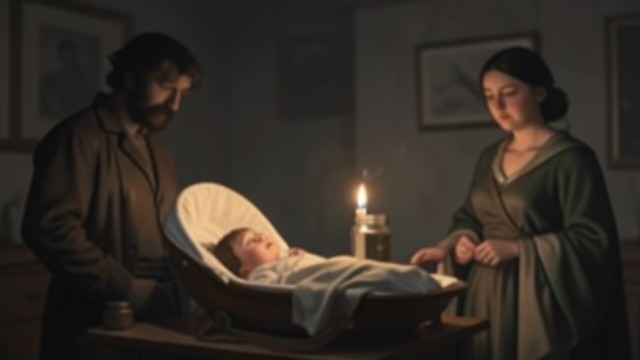
A Son Accepted
The Child Arrives
Miguel is brought to Pedro after his mother dies in childbirth. Pedro accepts the claim of paternity and places the baby under Damiana’s care.
An Unexamined Bond
Pedro’s recognition gives Miguel a place in the family without requiring him to confront the conditions of his birth. The household’s resources will be available to the child, but emotional responsibility remains thin.
Protection Instead of Discipline
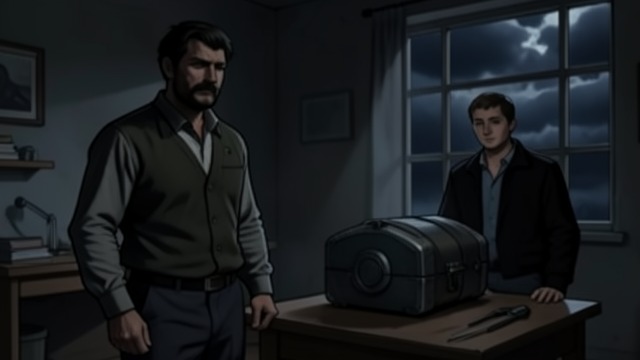
Paternity as Shield
Reports of Harm
Fulgor brings Pedro accounts of Miguel’s violence, including a death and a woman’s grief. Pedro responds by denying the victims’ importance rather than demanding that his son change.
Lessons in Impunity
Miguel learns that his father can turn other people into nonentities through a sentence. The paternal bond becomes a shield for power rather than a source of accountability.
The Father at the Funeral
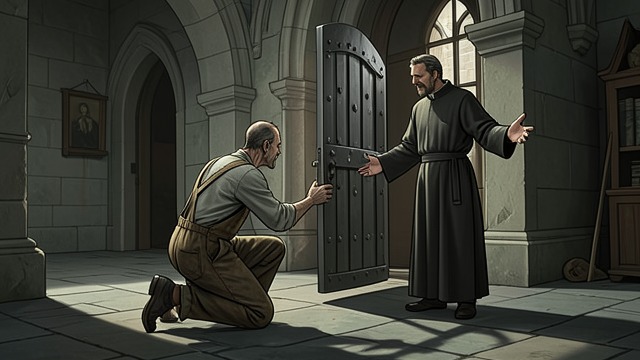
Grief Beside Judgment
A Public Plea
Pedro asks Padre Rentería to consider forgiving Miguel despite the young man’s crimes. He acknowledges the accusations only to argue that they should now be set aside.
Mercy Bought by Wealth
Pedro leaves gold at the church, and the priest blesses Miguel’s body. Pedro’s grief is real, but his ability to purchase a religious rite also repeats the unequal protection that defined Miguel’s life.
A Horse’s Grief
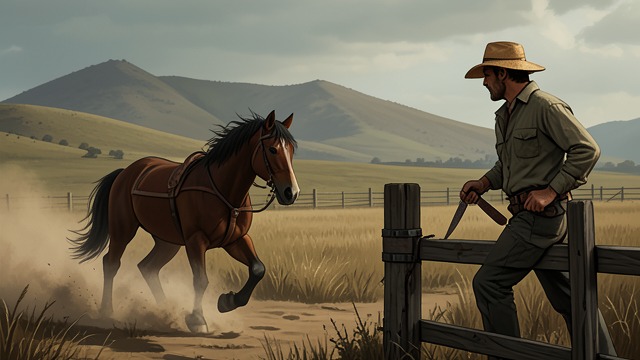
The Son Remembered Through an Animal
Restless Return
Miguel’s horse returns alone and searches for him with mounting agitation. Pedro hears the animal and orders that it be killed, unable to bear a repeated reminder of his son’s absence.
An Unfinished Farewell
The animal’s grief gives physical form to attachment that the household cannot express openly. It also makes Miguel’s death seem less settled than the funeral suggests.
The Son’s Legacy
A Relationship Without Repair
No Reckoning for the Crimes
Miguel’s death prevents further acts but does not bring justice to the people he harmed. Pedro continues to manage consequences through money and authority rather than public accountability.
A Pattern Extended
The father’s protection has helped form the son’s conduct, while the son’s death becomes one more burden Pedro refuses to face directly. Their relationship reveals how inheritance can pass down privilege as well as violence.
When Miguel is brought to Media Luna as a newborn
When Fulgor reports Miguel’s early crimes
At Miguel’s funeral
The night Miguel is buried
After Miguel’s death
